Introduction
In a world where every second counts, understanding just how to react to a heart emergency situation can mean the difference between life and death. Automated Exterior Defibrillators (AEDs) are essential devices that can recover a regular heartbeat in people experiencing unexpected heart attack. However, many people stay not aware of their operation or the best techniques bordering them. Whether you remain in a work environment, in your home, or joining sporting activities, recognizing just how to make use of an AED properly is paramount for saving lives.
This extensive overview will stroll you via whatever you require to find out about utilizing an AED, from its capability and significance to step-by-step instructions and real-life applications. We'll additionally look into CPR techniques and exactly how they operate in tandem with AED use. Let's embark on this vital journey of discovering exactly how to save lives.

Understanding the Relevance of AEDs
What is an AED?
An Automated External Defibrillator (AED) is a mobile clinical device designed to analyze the heart's rhythm and deliver an electrical shock if essential. This shock can aid bring back a regular heart rhythm in situations of ventricular fibrillation or pulseless ventricular tachycardia.
Why are AEDs Essential?
The use of AEDs is crucial since:
- Sudden Heart attack Statistics: Every year, approximately 356,000 out-of-hospital cardiac arrests occur in the united state, with less than 10% surviving. Time Sensitivity: The chances of survival decrease by 10% for every min that passes without defibrillation. Accessibility: AEDs are increasingly discovered in public rooms, making it much easier for spectators to intervene during emergencies.
Legal Considerations
Most states have Good Samaritan legislations that shield lay -responders from liability when making use of an AED in great confidence during emergency situations. Knowing this can equip people to act promptly without anxiety of lawful repercussions.
How Does an AED Work?
Mechanism of Action
An AED functions by:
Analyzing Heart Rhythm: When electrodes are affixed to a sufferer's upper body, the tool assesses whether the heart is beating normally. Delivering Shock: If a shockable rhythm is discovered, the gadget triggers the individual to provide a shock.Types of AEDs Available
- Fully Automatic: These devices immediately supply shocks without user intervention. Semi-Automatic: Individuals have to press a button after receiving guidelines from the device.
How to Utilize an AED: Your Step-by-Step Overview to Saving Lives
Step 1: Call Emergency Services
Before doing anything else, make sure a person has called emergency situation services or do so yourself if you're alone. Time is critical in heart emergencies.
Step 2: Evaluate the Situation
Ensure that it's safe for you to come close to the sufferer. Understand your environments and potential hazards.
Step 3: Open the AED Case
Locate the closest AED and open its case. The majority of devices will certainly provide voice motivates assisting you through each step.
Step 4: Connect Electrodes
Place the pads on bare skin as shown on the tool:
- One pad takes place the upper ideal side of the chest. The various other pad goes on the reduced left side below the armpit.
Step 5: Ensure No One Is Touching the Victim
As advised by the equipment, see to it no person get in touches with the sufferer while it examines their heart rhythm.
Step 6: Supply Shock If Advised
If motivated by the AED, press the shock button. Keep in mind that some models are completely automated and will administer shocks without requiring user input.
Step 7: Continue Mouth-to-mouth Resuscitation After Shock Delivery
Immediately resume CPR complying with any kind of shock provided or if no shock is suggested until emergency situation employees show up or signs of life appear.
CPR Techniques Matching AED Usage
The Value of mouth-to-mouth resuscitation in Heart Emergencies
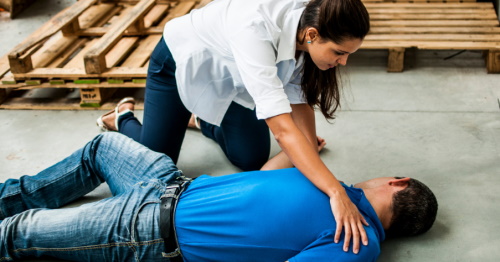
CPR (Cardiopulmonary Resuscitation) increases blood flow to vital body organs until defibrillation can be done with an AED. It's vital as it considerably enhances survival rates when integrated with very early defibrillation making use of an AED.
How to Do CPR
- Start with breast compressions at a price of 100-120 per minute. Compress at the very least 2 inches deep for grownups yet change for infants and children-- this addresses wrong compression deepness concerns.
Infant CPR Technique
For infants under one year:
Use 2 fingers for compressions at around 1.5 inches deep. Provide rescue breaths after every 30 compressions at a proportion of 2 breaths for every 30 compressions.Special Scenarios Calling for Advanced Resuscitation Skills
Sports-related Heart Arrests
Athletes might experience abrupt heart occasions because of underlying wellness concerns such as hypertrophic cardiomyopathy or arrhythmias. Immediate accessibility to both mouth-to-mouth resuscitation and an AED can drastically affect outcomes throughout athletic events.
Drowning Targets and mouth-to-mouth resuscitation Techniques
When carrying out CPR on drowning targets:
- Prioritize giving rescue breaths prior to breast compressions since they usually struggle with hypoxia instead of heart concerns initially.
Household CPR Preparedness & Office Emergency Situation Plans
Preparing Your Home
Having an emergency situation strategy within your house ensures everybody knows what actions to take during cardiac emergencies:
Display clear instructions near your phone concerning whom to call. Keep your family informed about how and where your designated first aid kit and any type of available AEDs are stored.Workplace Emergency Plans
Implementing extensive workplace emergency situation plans makes sure all employees comprehend their duties during crises involving sudden cardiac arrests:
Conduct regular training sessions that cover both mouth-to-mouth resuscitation and use available AEDs. Ensure simple access of emergency treatment packages alongside plainly significant places for neighboring AEDs.FAQs About Making use of an AED
Q1: Can any individual use an AED?
Yes! Any individual can utilize an AED as they come equipped with voice motivates directing users through each action essential for successful operation.
Q2: What should I do if I'm unsure just how deep my compressions must be?
Aim for at the very least 2 inches deep; nonetheless, using aesthetic pens like tape positioned on surfaces can assist gauge depth better during technique sessions.
Q3: Exist on the internet training courses offered for learning CPR?
Yes! Lots of organizations provide online certifications that information both CPR strategies and just how to use an AED properly within different contexts including neighborhood courses especially customized towards community requirements such as colleges or work environments needing qualification compliance standards stated read more in Australia's latest standards regarding resuscitation approaches throughout age including babies' unique needs when performing lifesaving measures like baby mouth-to-mouth resuscitation method reviewed previously!
Q4: How long does my mouth-to-mouth resuscitation certification last?
CPR certificates typically remain valid for two years prior to calling for renewal depending on business certification which frequently mandates retraining based upon updated ideal techniques reflected within new research findings launched periodically within countries' analytical evaluations concerning survivability prices tied straight back in the direction of adoption rates including these lifesaving skills!
Q5: Do I require specialized training past standard first aid knowledge?
While standard understanding is adequate originally particularly when addressing home preparedness issues detailed earlier; advanced resuscitation skills come to be critical particularly under unique conditions where immediate feedback affects outcomes substantially extra so compared versus typical circumstances encountered regularly throughout day-to-day life!
Q6: How does age impact compression technique during resuscitation efforts?

Conclusion
Knowing how to utilize an Automated External Defibrillator (AED) effectively outfits you with effective devices for saving lives throughout cardiac emergencies. This guide has given in-depth understandings into different facets bordering not only running these life-saving devices yet also incorporating effective mouth-to-mouth resuscitation techniques together with them-- eventually improving survival end results across varied situations experienced daily via proactive planning guaranteeing house preparedness raised substantially based upon preparedness efforts undertaken collaboratively among neighborhoods striving in the direction of boosted safety and security protocols established using work environment standards carried out faithfully throughout regions internationally!
By understanding just how these aspects link seamlessly with each other creating all natural techniques committed towards boosting neighborhood awareness bordering accountable involvement practices promoting very early treatment strategies making the most First Aid Courses in Sydney of prospective effect inevitably yielding positive outcomes seen direct whenever emergencies develop unexpectedly demanding speedy activity taken promptly resulting after that positively influencing outcomes attained jointly driven forward with each other united purposefully promoting atmospheres helpful in the direction of healthier cultures overall!
First Aid Pro is one of Sydney’s leading providers of accredited CPR and first aid courses. Established in 2012, our nationally registered training organisation (RTO) has equipped over 2.6 million Australians with essential life-saving skills through our experienced team of over 110 expert trainers. Conveniently located in the heart of Sydney at Chambers Arcade Level 15, Suite 1501/370 Pitt Street, Sydney NSW 2000, we offer top-quality, nationally accredited CPR and first aid training sessions tailored to your needs—whether for workplace requirements, career advancement, or personal safety. From childcare-specific first aid to advanced first aid and resuscitation, we’ve got you covered! Secure your Sydney first aid course or CPR training with us and build the confidence to handle emergencies with a trusted Sydney first aid provider. Take the first step towards becoming a skilled and capable first aider with First Aid Pro today! Call today on 08 7120 2570.